3D Medical
Animation.
Complex anatomy,
made clear. Every frame in CG.
Some things a camera simply can't reach: inside an eye mid-surgery, a clot forming deep in the brain, UV light breaking down collagen below the skin. CG goes where a lens can't, turning a procedure, a mode of action, or a product into something you can see and follow. Anatomy modelled from clinical reference, shaded to read as living tissue, and animated to carry the message as clearly as the story.
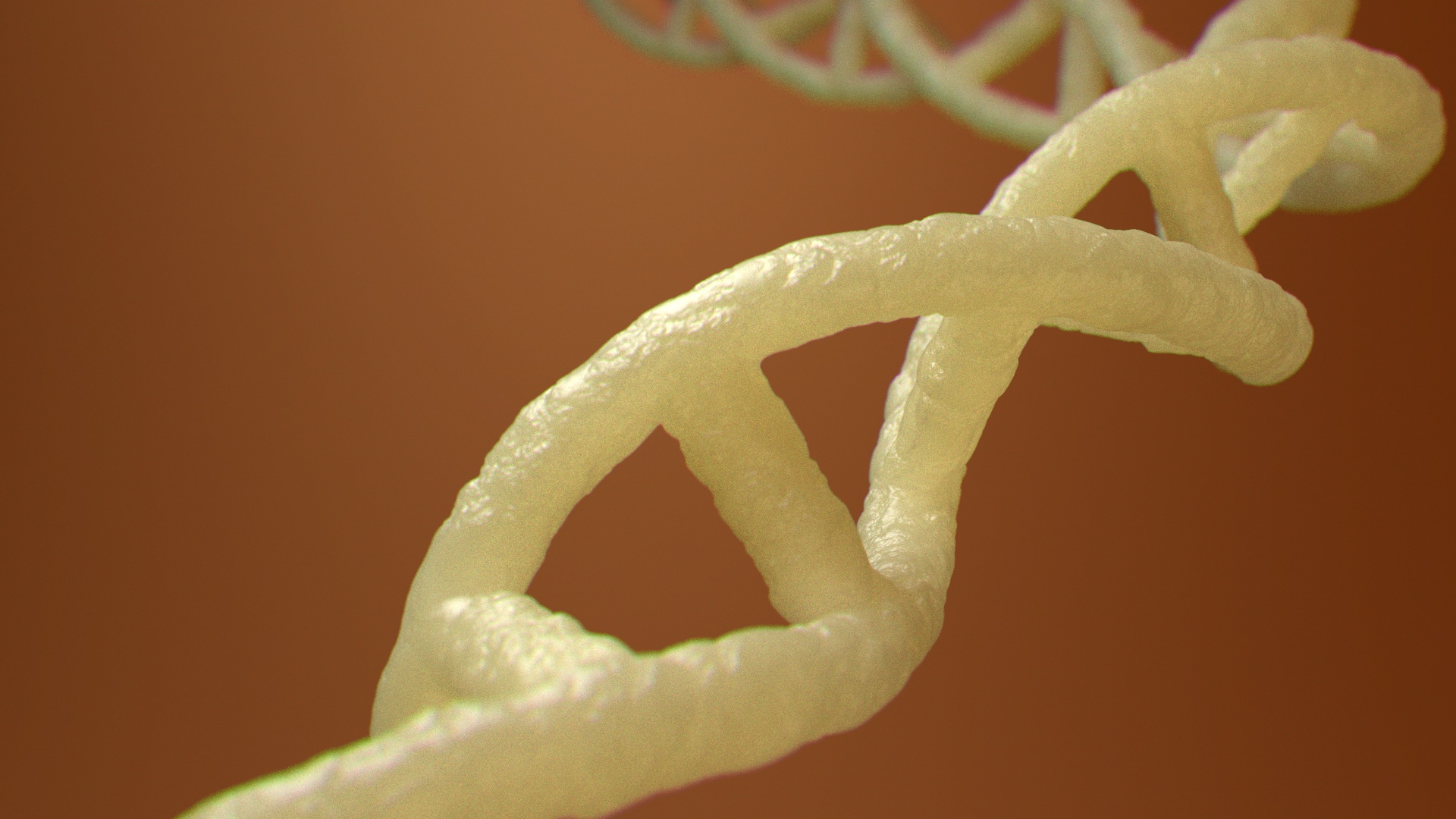
From the cataract lens to the carpal tunnel, the same approach scales across the body: sectioned organs, flowing blood, dividing cells, DNA turning in shallow focus. Callouts, guide lines, and glowing accents draw the eye where it's needed, and sometimes the clearest guide is a face — a character to lead you through what visuals and text alone can't. A calm, consistent look ties it together: medical animation that gets the message across, whoever's watching.
Cellular · to · anatomical.
Inside out,
outside in.
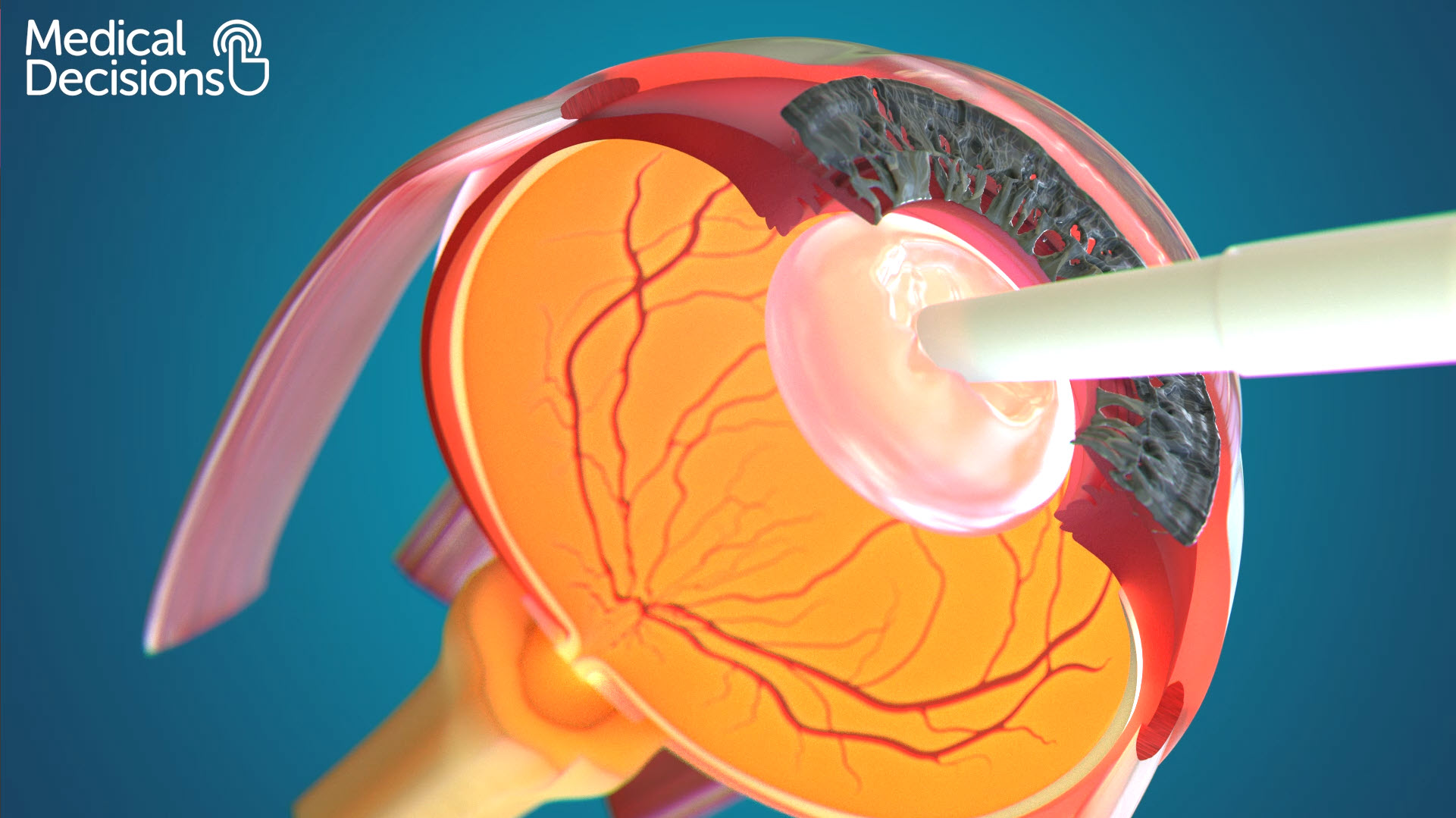
Inside the eye
A sectioned eye mid-procedure — lens, cornea, and retina modelled accurately enough to teach the surgery, not just illustrate it.
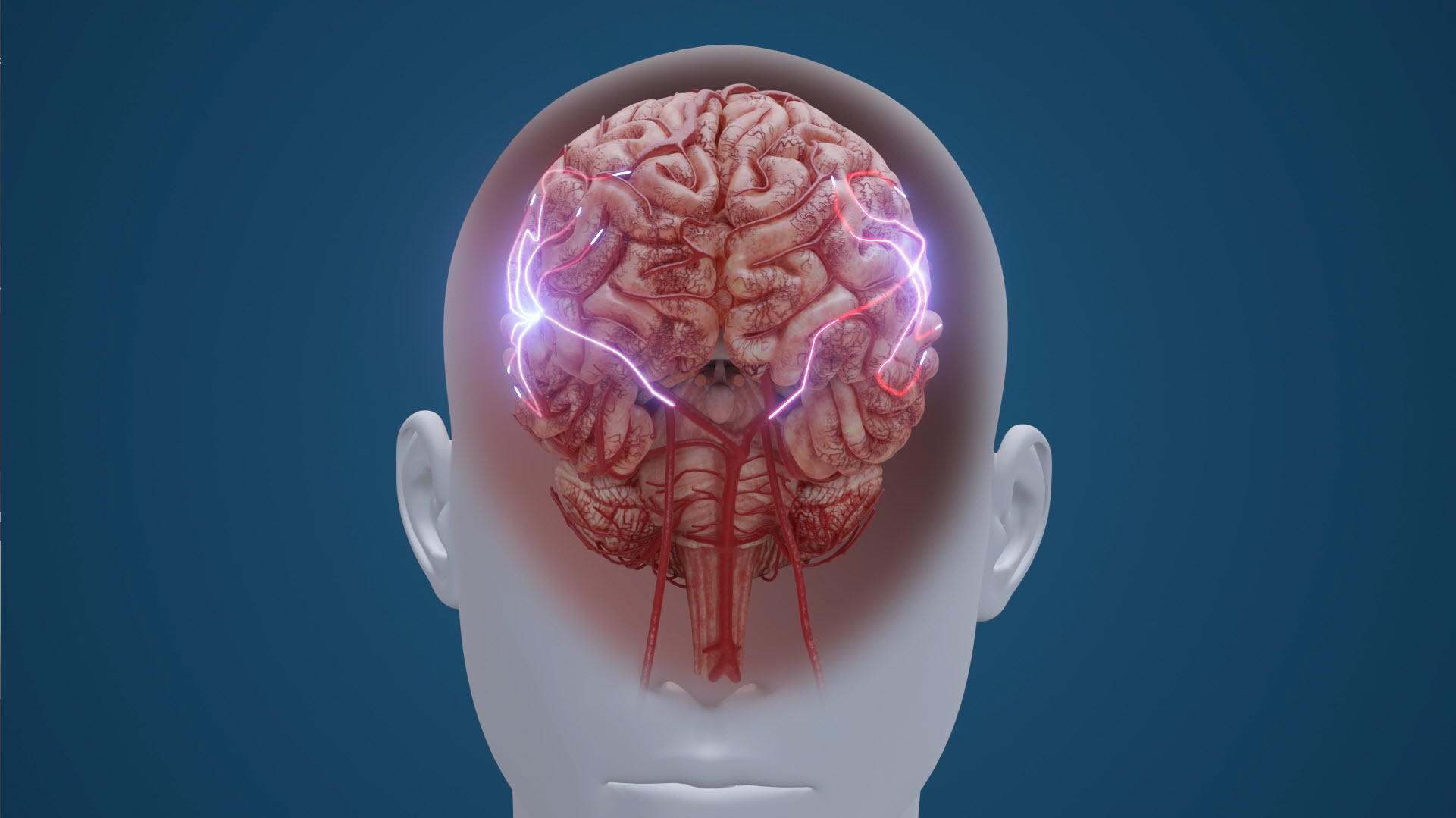
Straight through the skull
A full view inside the head — the brain and its vessels visible through a ghosted face, with the affected pathways lit up where the blood supply fails. A look you could never get in life without losing the patient, here held still and clear.
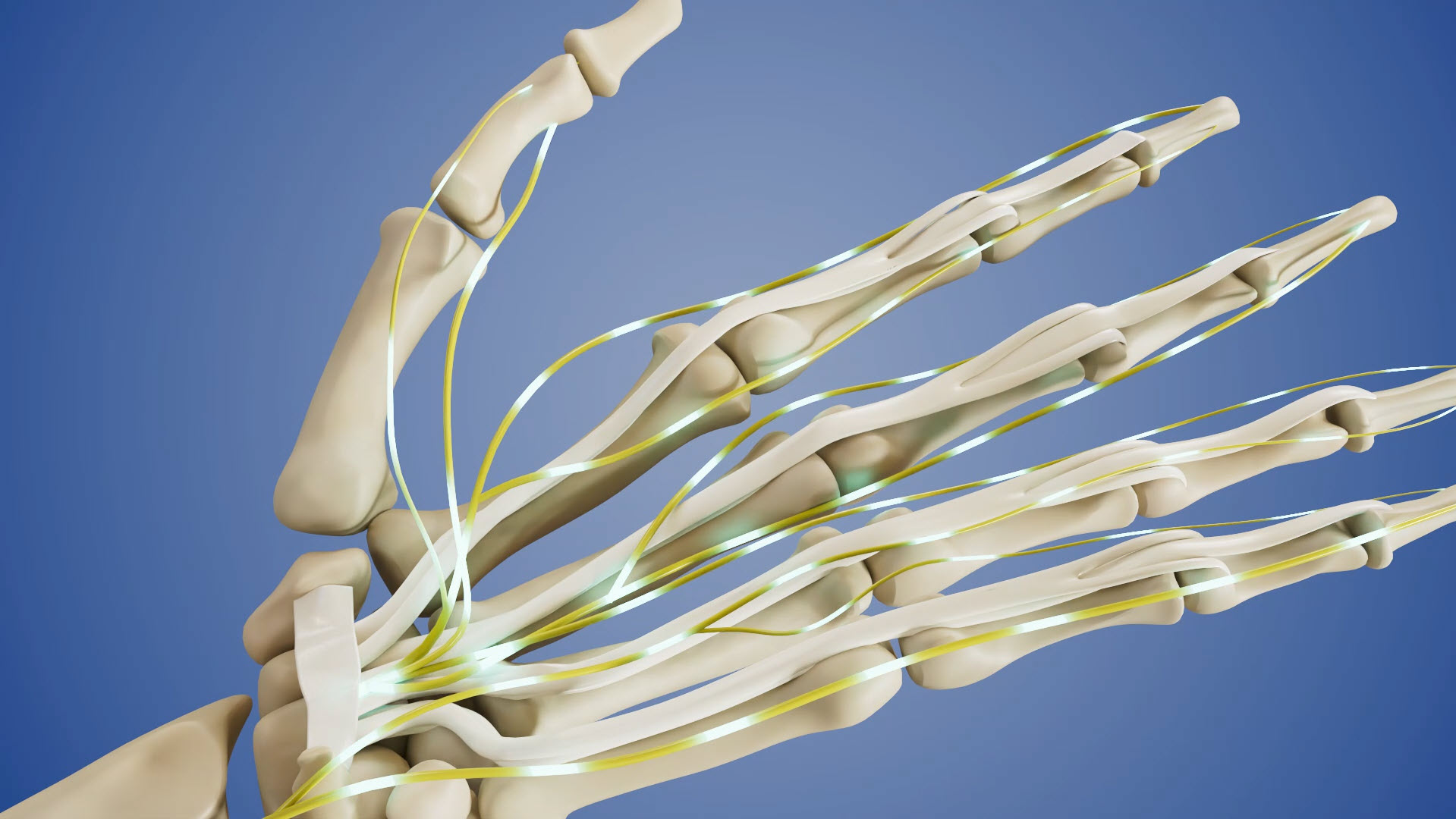
Bone, tendon, nerve
The wrist rebuilt structure by structure — bones and tendons layered so the median nerve's path through the carpal tunnel reads at a glance.
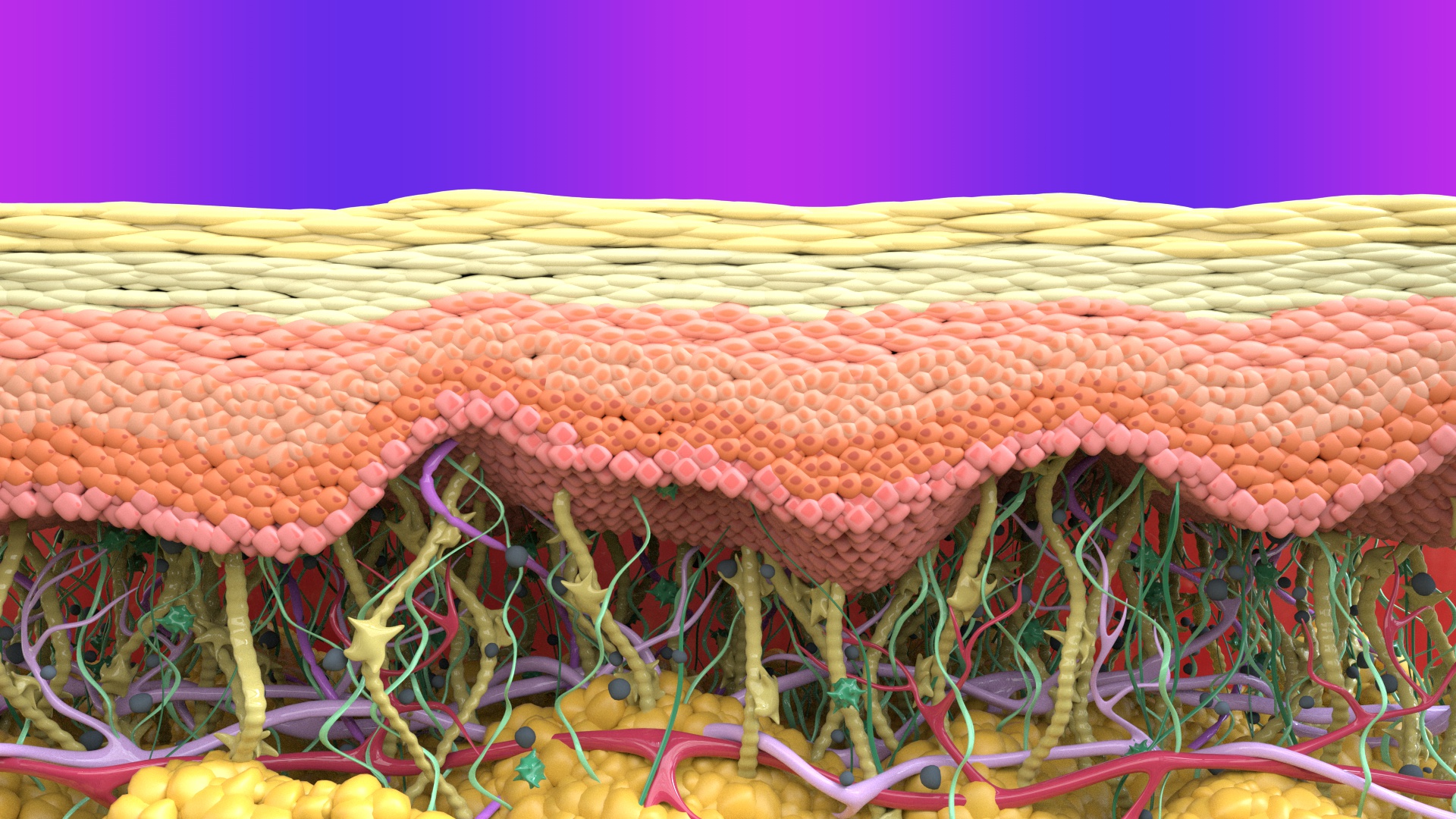
Down through the skin
UVA and UVB striking the epidermis — a cross-section that follows the damage all the way to the capillaries below.
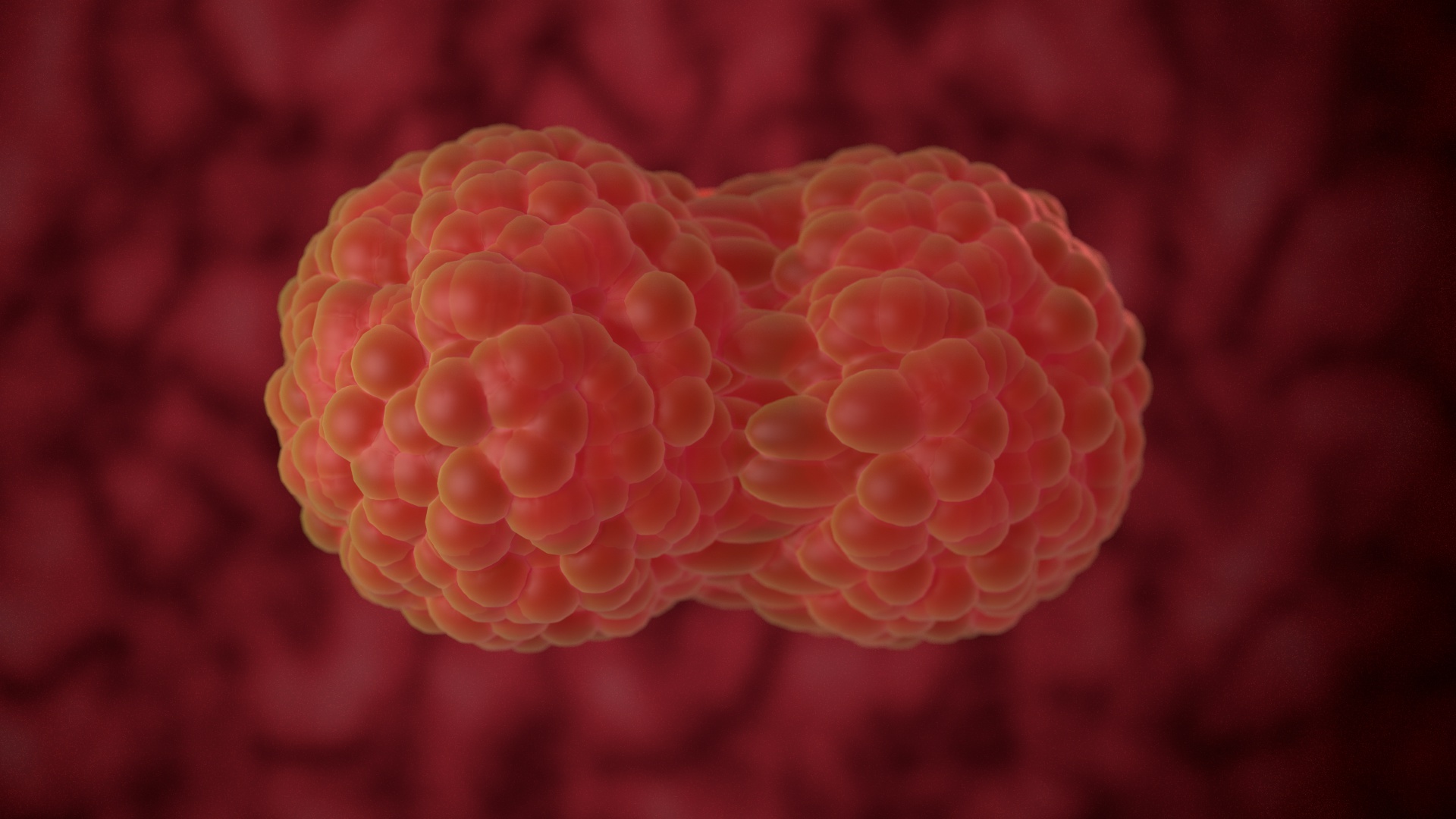
A cell, dividing
A single cell pinching into two — the kind of micro-scale beat that grounds a much bigger biological story.
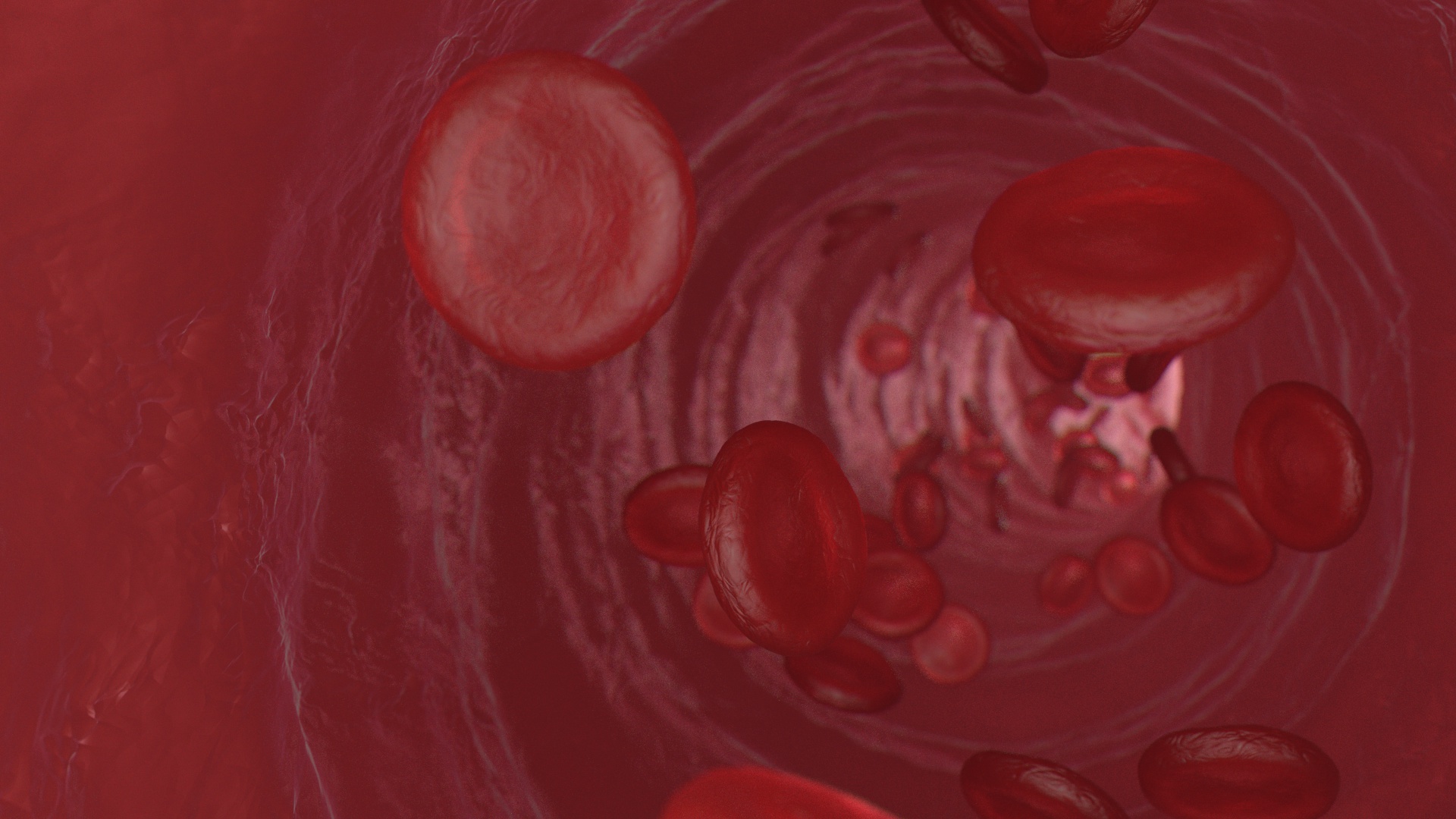
Down to the bloodstream
Red cells tumbling through a vessel in shallow focus — atmosphere and scale standing in for a microscope.